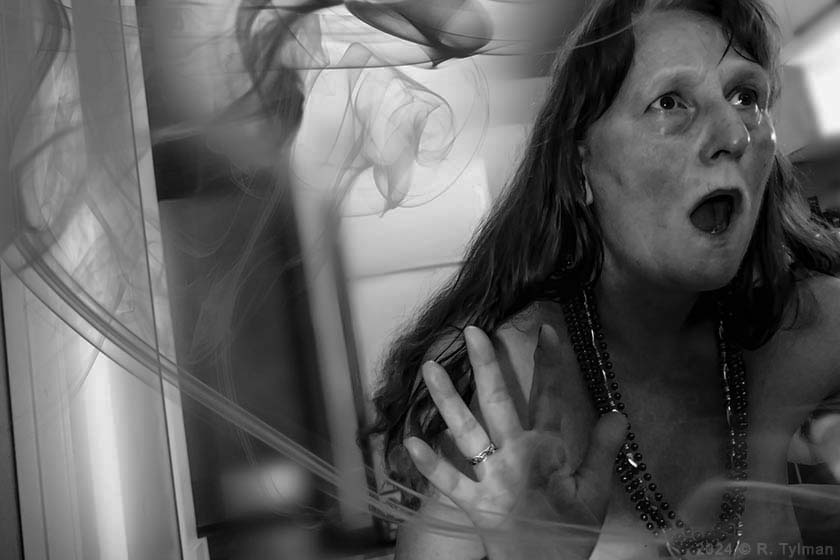
Tsonoqua (Dzunukwa)
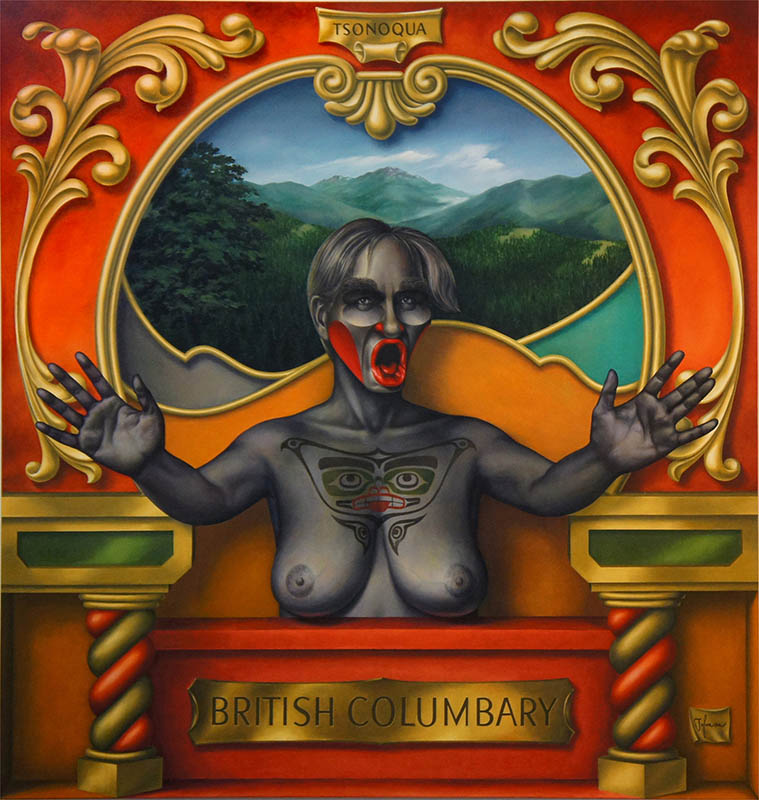
The Tsonoqua, oil on linen, 59" x 56" by Richard Walking Buffalo* Tylman
*) Name 'Walking Buffalo' (Mostos Takohtêw) was bestowed upon Richard Tylman by Master of Ceremonies Okimaw Piyesiw Awasis (Cree chief Thunderchild) at the Tsawwassen Nehiyaw Matot'sân on the Tsawwassen Lands Reserve in Vancouver on 19 May 2018.
(close pop-up)
Tsonoqua belongs to the family of mythological giants who dwell in the mountainous rainforest of coastal British Columbia. She controls the magical Water of Life, clumsily spilling it around, imparting good fortune. She is the all consuming Tsonoqua, black as soot, with a house filled with riches. She kidnaps little children wandering in her woods, and eats them.Bare naked and alluring, with deep-set eyes and pendulous breasts, Tsonoqua is often thought of as being vain and stupid. She captivates the attention of those who wish to outsmart her and steal from her coffers. Their obsessive desire for possession, like the Tsonoqua's appetite for children, are no laughing matter; both feeding upon mental anguish and unhappiness.
Background
|
Tsonoqua is the most popular sacred creature of local legend. In masks, and in totem-pole images, she is shown with bright red and pursed lips, because she is said to give off the call "Hu! Hu!" Her appearance is that of a naked monster with large breasts and grabbing hands. She is also described as having long and rough hair that shines around her head as if bleached by the sun. It is often believed that the sound of the wind blowing through the cedar trees is made by Tsonoqua. Some myths claim that she can bring herself back from the dead (an ability which she uses to regenerate her own deeper wounds).
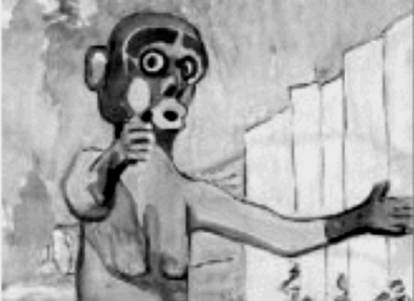 |
 | Tsonoqua study by Emily Carr (fragment) |
Tsonoqua (or Dzunukwa) known also as the Wild Woman, or the Cannibal Woman of the Woods, is often portrayed with bad squinted eyes luring her victims into a trap. She is an Earth Realm Goddess whose spiritual attributes include eternal life and the ability to transform herself into swarms of mosquitoes when burned in fire. Tsonoqua owns valuable treasures that all gluttonous men would like to steal. She smells awful. She collects children who sometimes escape her, because she is dull-witted. Parents warn their offspring, "be watchful or Tsonoqua will get you!"
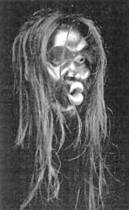 |
| Tsonoqua, BC Archives |
Ancestry
Tsonoqua, Tsonokwa, or Dzunukwa, is a progenitor of the Namgis family through her son, Tsilwalagame. She is a bringer of wealth, but she is also greatly feared, because she is known as a ruthless ogress.
Twice the human size, Tsonoqua lurks in the forest ubiquitously. The warriors who could tame her (which is unlikely), would bring back great treasure. During the Winter Ceremony known as Hamatsa, Tsonoqua is represented by an oversized mask worn by a master dancer. The dancer moves clumsily to represent the monster's confusion. The chief may also wear her mask when distributing wealth at a potlatch.
* Selected sources: Franz Boas, George Hunt (1906), Kwakiutl Texts – Second series. The Jesup North Pacific Expedition; New York, Vol. X, Part 1, pp. 62, 63 (72, 73 in PDF). American Museum of Natural History, Digital Repository; New York, NY.
Painting development process
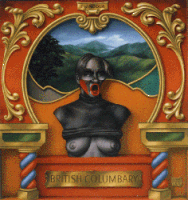 |
The "Tsonoqua" was produced as the first painting of the series. Many of the subsequent revisions were inspired by the series itself. In the original version, the main subject resembled a surreal bust. The painting included a brighter forest in the background and a slightly different colour scheme along the base. |
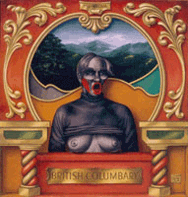 |
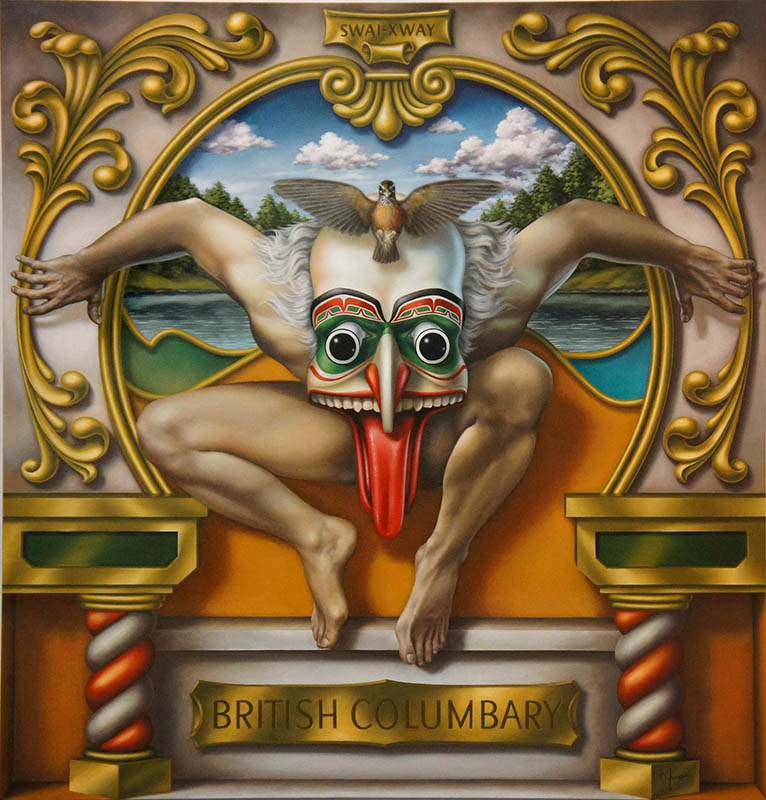
The first major changes were made after the "Swai-Xway" painting came into existence at which point, the bust idea was given up; arms were added, and the Tsonoqua was made to look like a complete being, positioned behind the front panel. |
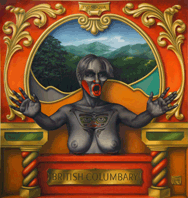 |
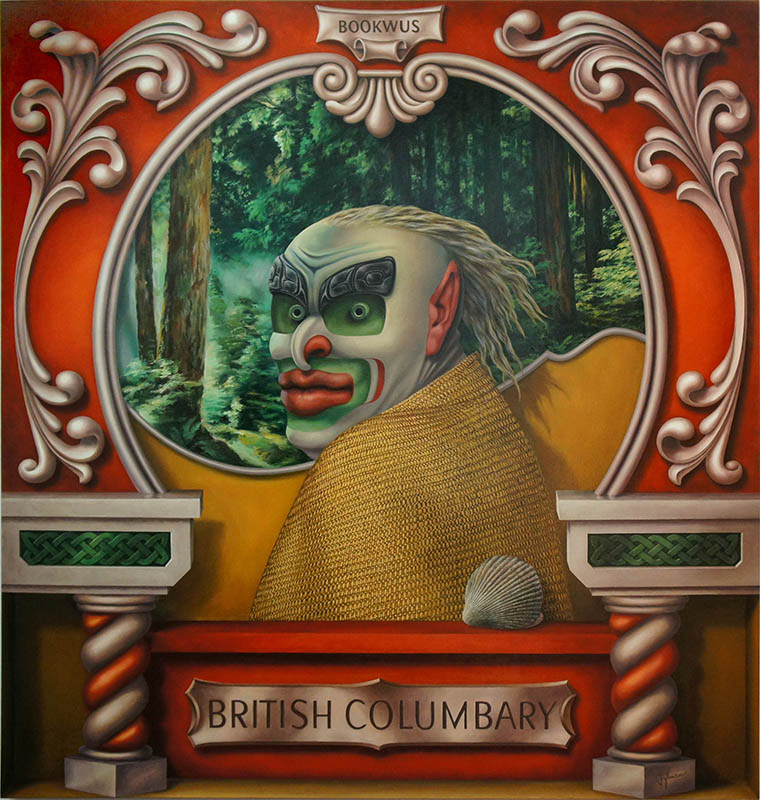
The final elements were added only after the next two paintings were developed including "Swai-Xway" and ''Bookwus". The Tsonoqua was redesigned on mylar and repainted as nude, with tattoo etched over her chest depicting a spirit bear. Two stretched out hands were painted in. The subject was made into a hungry ghost ready for action; her face
frozen in a silent scream. |
Painting inspired dance
|
An interpretive dance inspired by the Tsonoqua painting was performed in camera. The studio performance translated Tsonoqua’s supernatural existence into movements and dramatic expressions.

Spirit of Swai-Xway | Spirit of Bookwus | Spirit of Kumugwe | Richard Tylman Painting in Kraków | Representative poetry | The latest poem update | Selections from Imaginary Lovers | Photo album | Poetry in Polish | View Guestbook | Cover page: about the author
|
|